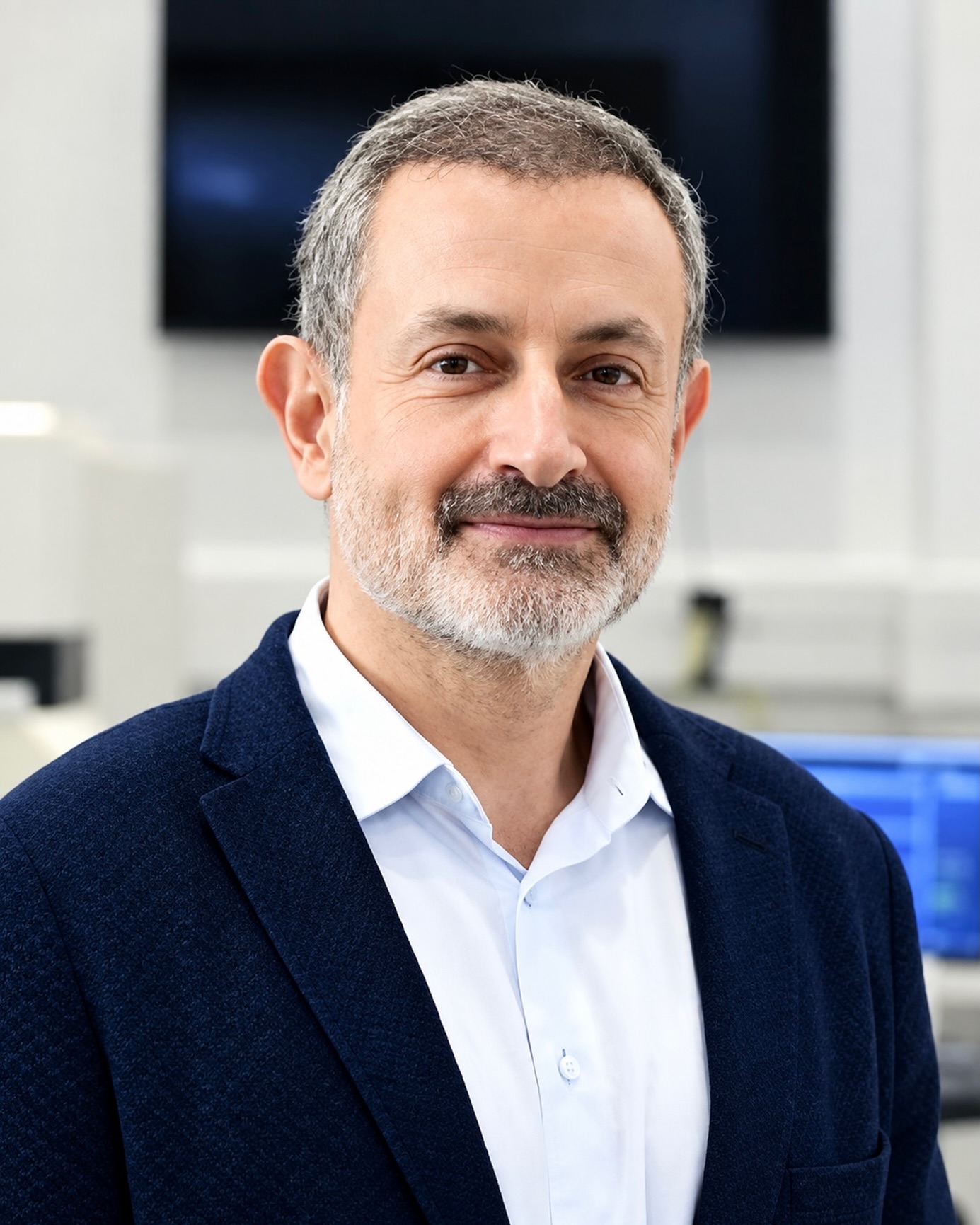
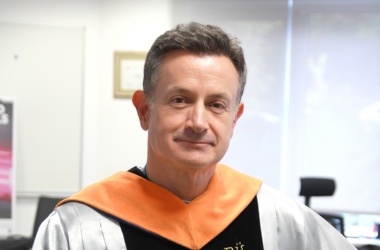




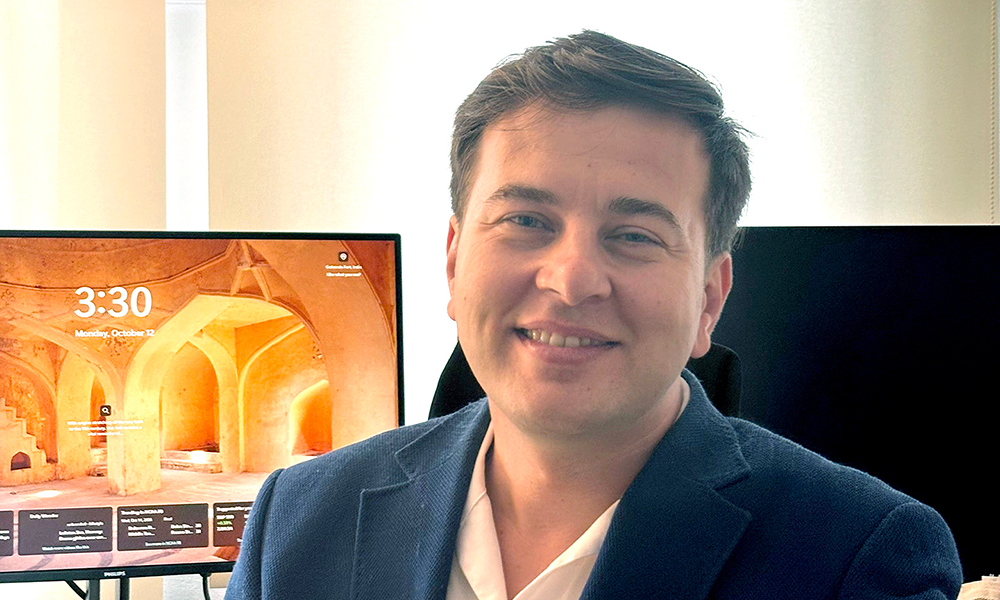
Dr. Caner Hazar has been an instructor in the Department of Political Science and Public Administration since September 2024. He holds an MA and a Ph.D. in Sociology from the University of Connecticut (UConn). He enjoys teaching sociology, emphasizing applied, interactive learning and helping students develop analytical skills beyond rote learning. He also runs the Real-Life Sociology Lab at Bilkent, where he provides students with hands-on experience in sociology, curriculum design, and research. In his research, he is fascinated by what sociologist Richard Jenkins once called “juxtaposing the expansively public and the intimately private” to understand the “complicated and contradictory nature of the times” we live in. Previously, he taught at UConn and Sabancı University and has received awards including the Council of Europe’s (Horizon Scheme) Seal of Excellence, the Şirin Tekeli Research Award, and second place in the Dicle Koğacıoğlu Article Award, among others.
Why did you choose an academic career?
I had questions about life that required a library and sociological training from experts in their fields.
What subject do you most enjoy teaching, and why?
I enjoy teaching any topic where students and I collaboratively enhance our analytical thinking about behaviors, social groups, and organizations. It gives me great satisfaction because we can be creative and collaboratively trace a previously unvoiced thread of reasoning.
What projects are you working on currently?
I have several projects. For example, with Crystal Whetstone (Bilkent IR), we write about how local actors might express ambivalence toward some taken-for-granted international norms. With my undergraduate RAs at the Real-Life Sociology Lab at Bilkent, we examine an underground music scene through a social identity theory lens and build interdisciplinary linkages between the management curriculum and sociological theory.
What excites you about your work? And what is the coolest thing about your work?
What excites me most is finding a mismatch between the unnoticed and unquestioned aspects of everyday life and the predominant social-scientific approaches to it. To do that, I draw inspiration from everyday life and sometimes even the arts.
What’s your best work?
My best work is my students when they push themselves to think outside the box, bring a sociological perspective from their lives, actively participate in the learning process with many different people in the classroom, and carry what they learn in an embodied way into their future lives. That is my blueprint and best work.
What’s the most common misconception about your work?
There is a misconception that I, as a sociologist, am above everyday life, speaking in complex terminology with other like-minded individuals. Indeed, I very much enjoy being in everyday life, conversing with people who have genuine sociological insights yet are very different from me.
If you weren’t an academic, what career would you choose?
I would pursue something that weaves together sociological, historical, and visual elements, such as architecture or painting.
If you had unlimited funds, what would you like to do research on?
If I had unlimited funds, I would help envision a pedagogical research environment that continuously generates original materials and approaches to democratize but also go deeper into complex concepts and theories, revisit why we do what we do, encourage the embodiment of knowledge, and rethink how else to cultivate creative graduates in their respective fields, all of which AI or rote learning would not be able to do.
What do you like the most about being at Bilkent?
For me, Bilkent reflects a collective consciousness of its staff, students, and academics who do their work respectfully, responsibly, and genuinely. Their sincerity, work, and sense of responsibility continuously enrich campus life and set an example. I think the culture in Ankara also contributes to Bilkent’s social, scientific, and cultural richness.
What do you like to do when you are not working?
I paint in gouache and oil. I take and collect many photographs of colors, architecture, Roman wall paintings, and statues, and integrate them into my paintings. Sometimes I spend five hours in creative immersion and lose track of time or the outside world.
Which books have influenced you the most, and why?
I am fascinated by Donald Barthelme’s stories, which I first encountered as an undergraduate when I read “Some of Us Had Been Threatening Our Friend Colby.” It taught me a lot about the irrationality of human behavior when socially controlled by a group. Thus, I am currently reading “Forty Stories” by Donald Barthelme and strongly recommend it to our students.
If you could go back to your undergraduate/graduate student years, what advice would you give to your younger self?
Go to Italy since it will inspire you.
Can you share a student interaction that has stayed with you over the years?
When a student who has not had to do anything with sociology tells me that my course is about life, I see how they embody aspects of the course in their disposition toward life and their future.
What is one piece of advice you wish every Bilkent student would truly follow?
Whatever you choose to do in life, you need to find the meaning, principles, and motivation that guide it in the deep folds of you and life around you. Be gentle with yourself, and know this is always an ongoing process as you take on new roles and responsibilities. Bilkent gives you the tools to help with transitions.