











James Kinkaid, Department of Philosophy, has published a new study of Martin Heidegger’s early phenomenology and its complex relationship to the phenomenological project of Edmund Husserl. The book offers an opinionated introduction to Heidegger’s phenomenology, framing its central themes and ambitions in terms of Heidegger’s debts to, and departures from, Husserl. Rather than treating Heidegger’s thought in isolation, it situates “Being and Time” and related writings within the broader development of phenomenology and the philosophical debates that shaped it. The study, “Heidegger’s Phenomenology,” was published by Cambridge University Press as part of its Cambridge Elements series.

James Kinkaid’s New Book Explores Husserl’s Influence on Heidegger
More in No: 5:
-
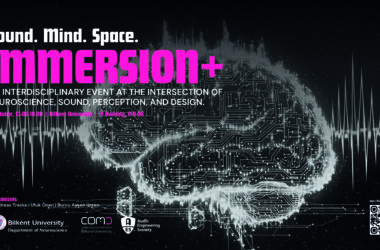 Sound. Mind. Space. Immersion+
October 13, 2026
Sound. Mind. Space. Immersion+
October 13, 2026
-
 Step Challenge: 10,000 Steps a Day
October 13, 2026
Step Challenge: 10,000 Steps a Day
October 13, 2026
-
 Bilkent Holds 19th Turkish Kendo Championship
October 13, 2026
Bilkent Holds 19th Turkish Kendo Championship
October 13, 2026