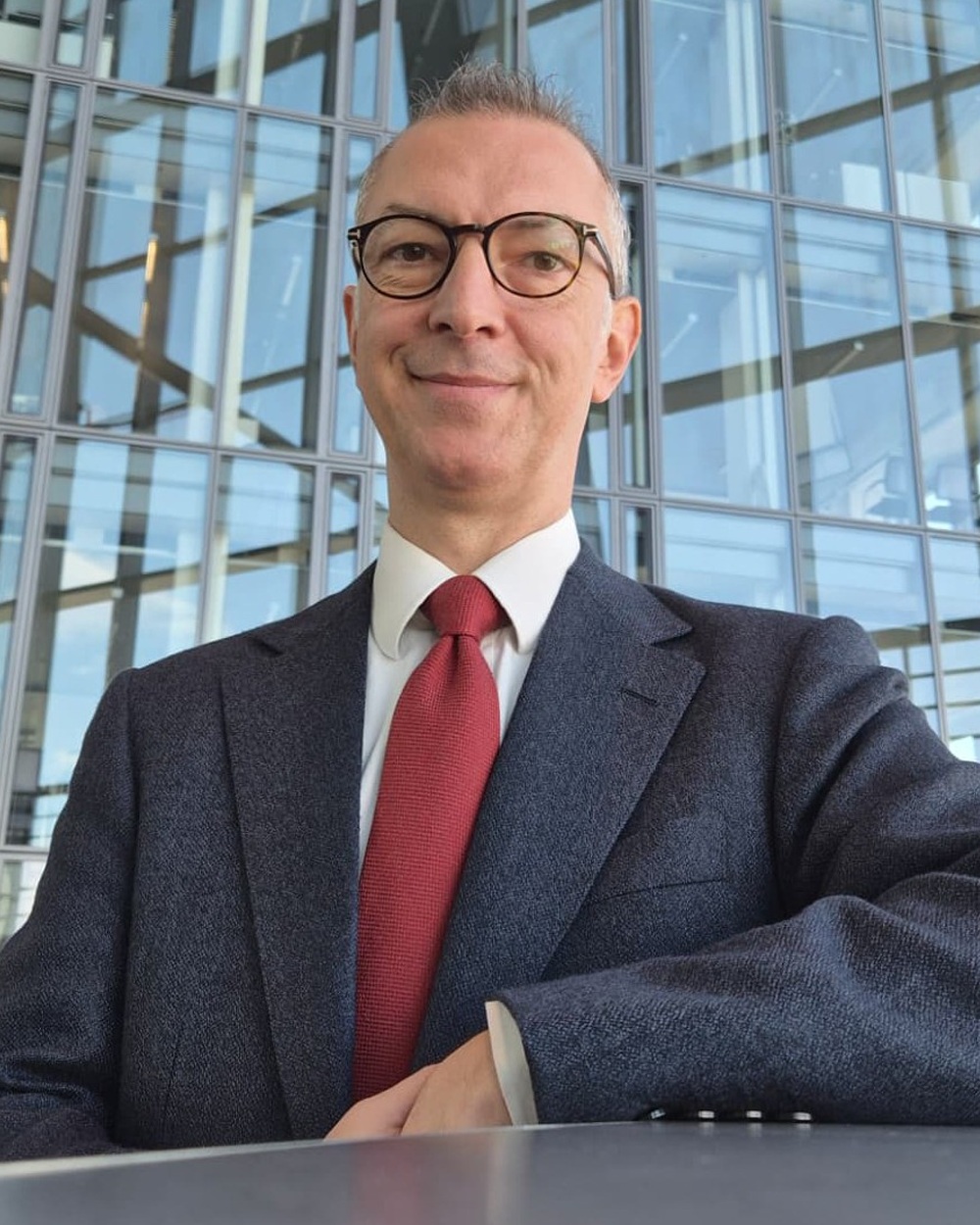
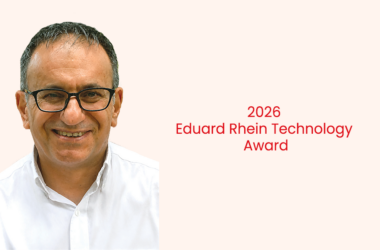

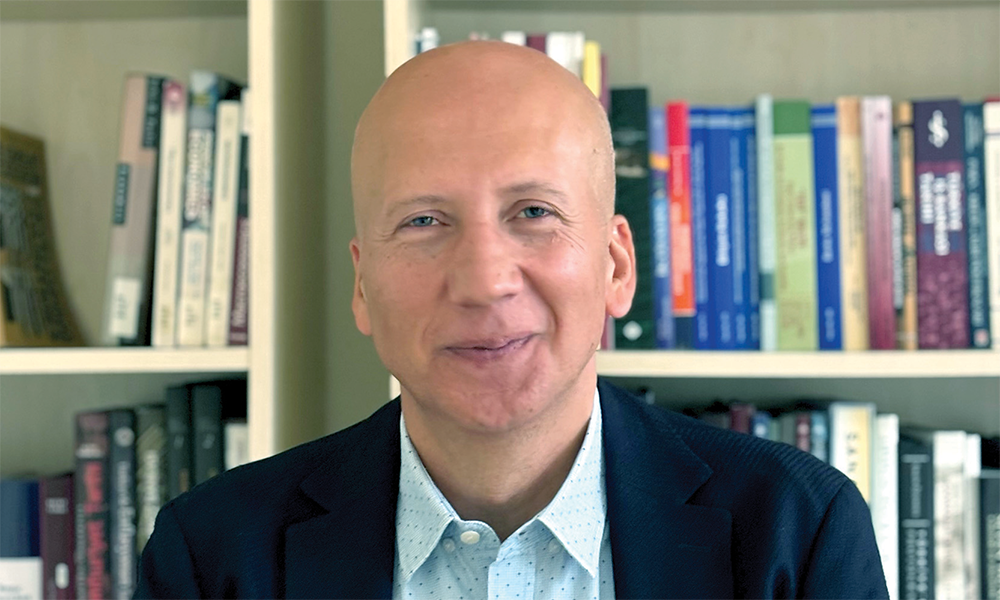
Prof. Hakan Kara is a professor of practice in the Department of Economics at Bilkent University, specializing in monetary economics, macroeconomics, central banking and the Turkish economy. He holds a degree in Electrical and Electronics Engineering from Middle East Technical University, an MA in Economics from Bilkent University and a PhD in Economics from New York University. Prior to joining Bilkent, he served as chief economist at the Central Bank of the Republic of Türkiye, where he played a key role in the formulation and implementation of monetary and macroprudential policies, including the design and development of the inflation targeting framework, between 2003 and 2019. At Bilkent, he teaches courses on monetary economics, macroeconomic policy and topics related to central banking and financial stability, integrating high-level policy experience with analytical training in economics. His research and public commentary focus on inflation, financial stability and the dynamics of the Turkish macroeconomy.
When did it first cross your mind that you would want to work as a professor, and why Bilkent?
In my previous job as the head of research and monetary policy department of the Central Bank, I was already involved with research and academic work as well as teaching. When I was planning to leave the Bank, my priority was to stay in Ankara. A highly respected and distinguished university like Bilkent was a natural venue to share my experience in bridging the gap between theory and practice and impart it to curious minds. Furthermore, throughout my career, I have always enjoyed engaging with students and young researchers. Consequently, transitioning into a professorship at Bilkent University felt entirely natural.
What subject do you most enjoy teaching, and why?
I enjoy teaching material that has direct consequences for people’s everyday life. This makes me feel fulfilled and maximizes job satisfaction. I try to relate my class material to the contemporaneous issues in macroeconomics and finance, both in Türkiye and in the world.
What projects are you working on currently?
I am currently engaged in several research projects. The first is a forthcoming book chapter for Cambridge University Press, examining the monetary policies of major economies in the first quarter of the 21st century. Additionally, I am investigating how trust in official statistics evolves and interacts with policy implementation. Another ongoing study aims to analyze external balance dynamics, with a specific focus on the competitiveness of Turkish manufacturers.
What excites you about your work? And what is the coolest thing about your work?
My research is deeply rooted in economic policy, which carries profound implications for societal welfare. The relationships and interactions governing economies are rarely static; they frequently undergo structural breaks, opening fascinating avenues for exploration. Navigating these shifting global paradigms—much like the ones we are experiencing today—makes it a truly exhilarating time to be a macroeconomist.
What is a decision in your career that looked risky from the outside but changed everything for you?
Leaving the Central Bank after a 20-year career was a difficult decision for me, as transitioning away from a familiar path felt inherently risky. Yet, the evolving economic and policy landscape in 2020 inspired my move toward academia. Today, I am profoundly grateful for this shift and only regret not taking this step earlier.
What do you like the most about being at Bilkent?
Bilkent University is truly a world-class institution in terms of academic principles, governance, teaching and research standards.
Which books have influenced you the most, and why?
While numerous books have influenced me, I would place Paulo Coelho’s “The Alchemist” at the very top. It serves as a powerful reminder that the universe conspires to assist those who resolutely pursue their dreams.
Outside of work, what do you do that would genuinely surprise your students?
In my spare time, I enjoy playing the guitar and the bağlama—a traditional Turkish folk instrument—as well as singing authentic Turkish ballads.
What advice would you give to your younger self? What is one piece of advice you wish every Bilkent student would truly follow?
Graduate with more than just a degree. Treating university life as a series of classes to pass and check a box completely wastes its true value. So, prioritize cultivating genuine personal growth, acquiring practical skills and building solid relationships while you have the chance.
If I had to put everything into one sentence: Try your best to prepare for the future but enjoy the present.