





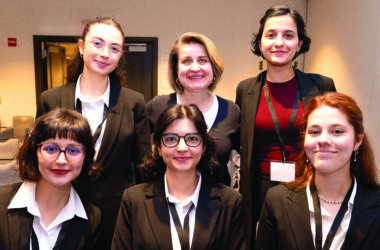

A study conducted at the Department of Molecular Biology and Genetics (MBG) has been featured in formal undergraduate medical teaching at the University of Siena’s medical school in Italy. Founded in 1240, the University of Siena is among Europe’s oldest universities and has a long-standing tradition in medicine and biomedical sciences.
In undergraduate medical education, curricular space is limited and selective. The use of a newly published research paper in structured teaching signals that the work is not only timely but also teachable: conceptually clear, methodologically reliable and relevant to clinical reasoning. This is an example of the internationally visible science produced in Türkiye through disciplined training, strong mentorship and sustained teamwork in a highly competitive research environment.
The paper, published in npj Genomic Medicine (a Nature Portfolio journal focused on genomics and its application in medicine), examines inherited predisposition to disease at population scale using large datasets and systematic interpretation principles (https://www.nature.com/articles/s41525-026-00552-5).
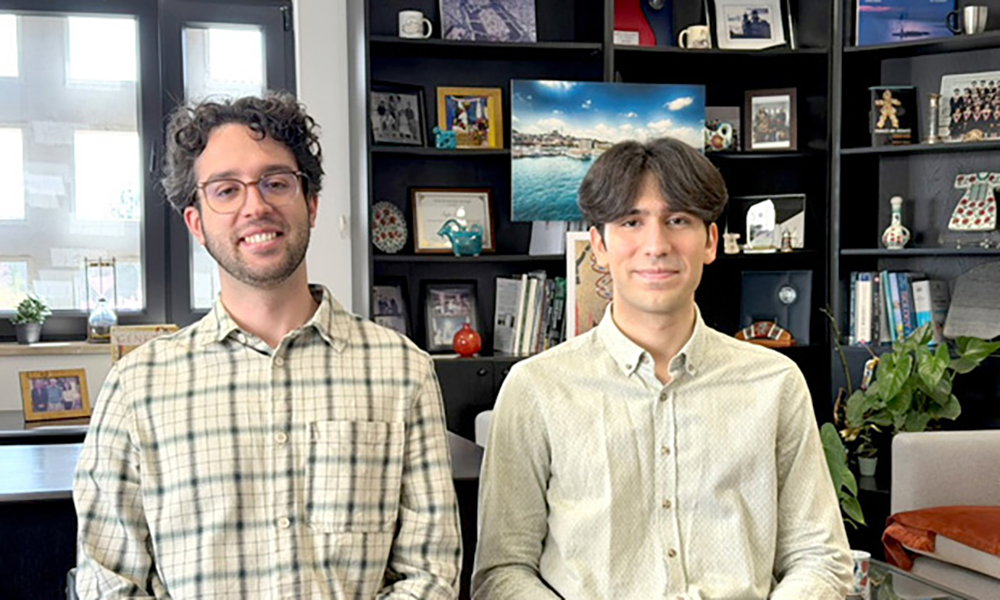
The research was developed under faculty supervision within an internationally competitive setting: Bilkent MBG’s participation in a broader Leducq Foundation–supported international collaboration (USD $7 million). Barış Kayaalp and Kerem Çil, two Bilkent Phd students, made central contributions to the research.
Barış Kayaalp, a graduate researcher with a medical background from LeducHacettepe University Faculty of Medicine, contributed key analyses and helped shape the study’s core findings. At a time when many top students pursue graduate training abroad, he chose to build this work in Türkiye. Kerem Çil, valedictorian of Bilkent MBG, provided technically critical input to the group’s variant interpretation methodology (FuncVEP), enabling downstream analyses that supported the discoveries highlighted in the paper. Çil has had opportunities abroad and chose to remain in Türkiye, strengthening the message that internationally relevant work can be built from Bilkent.
The external response has been notable, including unusually strong peer-review feedback emphasizing the potential impact of the findings and the value of scalable, guideline-aligned interpretation frameworks for research use.
The work has also intersected with the Undiagnosed Diseases Network International (UDNI), a global collaboration that connects clinicians and researchers to improve diagnosis and advance research for rare and undiagnosed conditions.
Dean Prof. Emrah Özensoy states, “This is a powerful example of Bilkent research reaching beyond publication and becoming part of medical education abroad. It is especially meaningful when young scientists choose to build internationally competitive work from Bilkent. This story shows what sustained training and scientific ownership can produce.”
Prof. Alessandra Renieri of the University of Siena add that “I believe that this represents a milestone in Medical Genetics and in Medicine in general.”
She also wrote that the paper is now covered in undergraduate medical teaching.