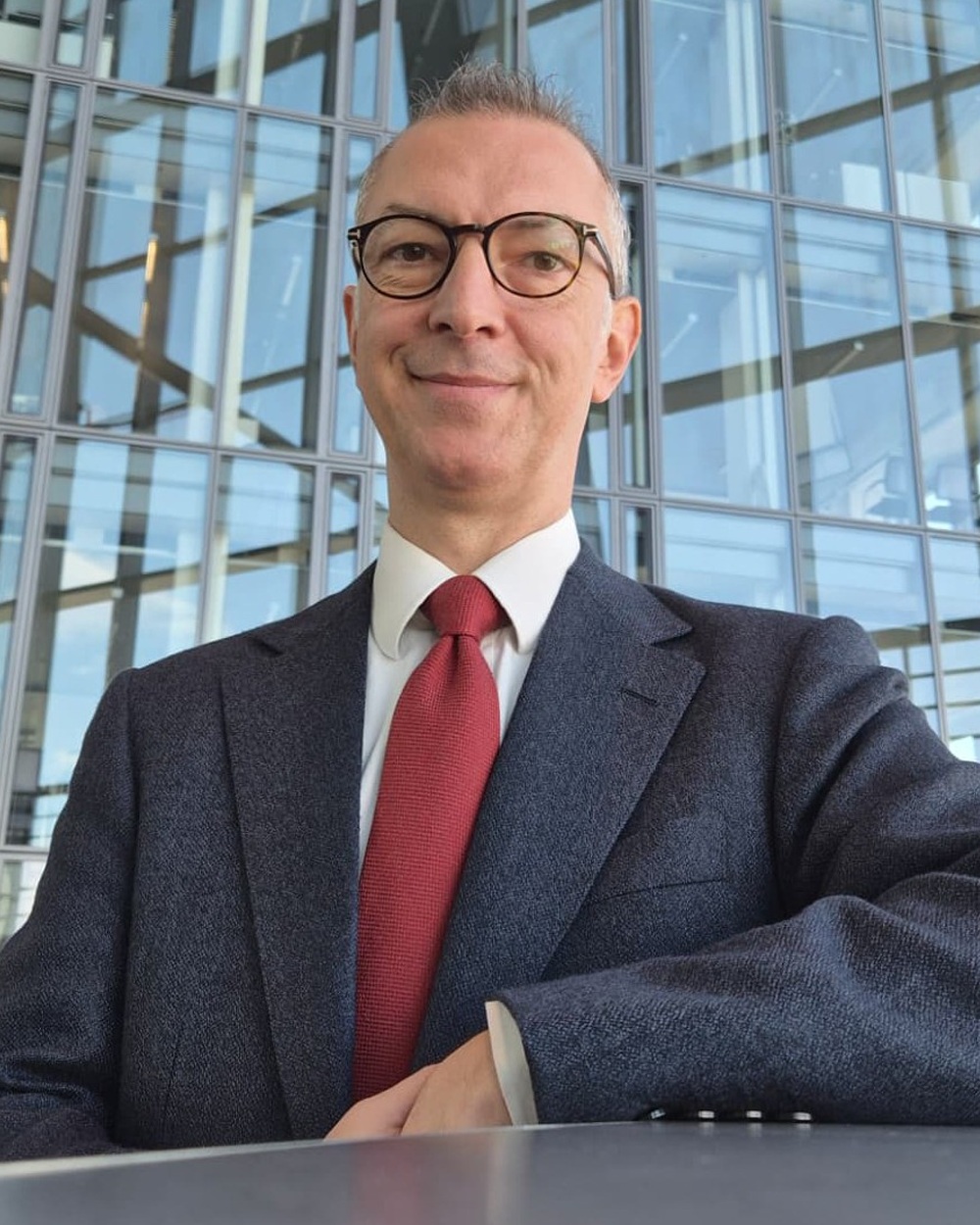


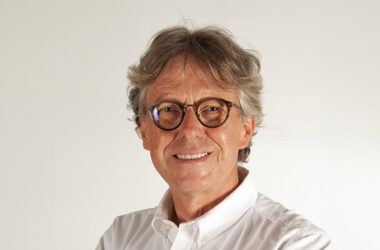
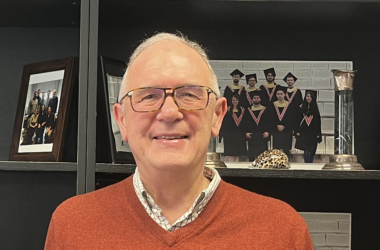


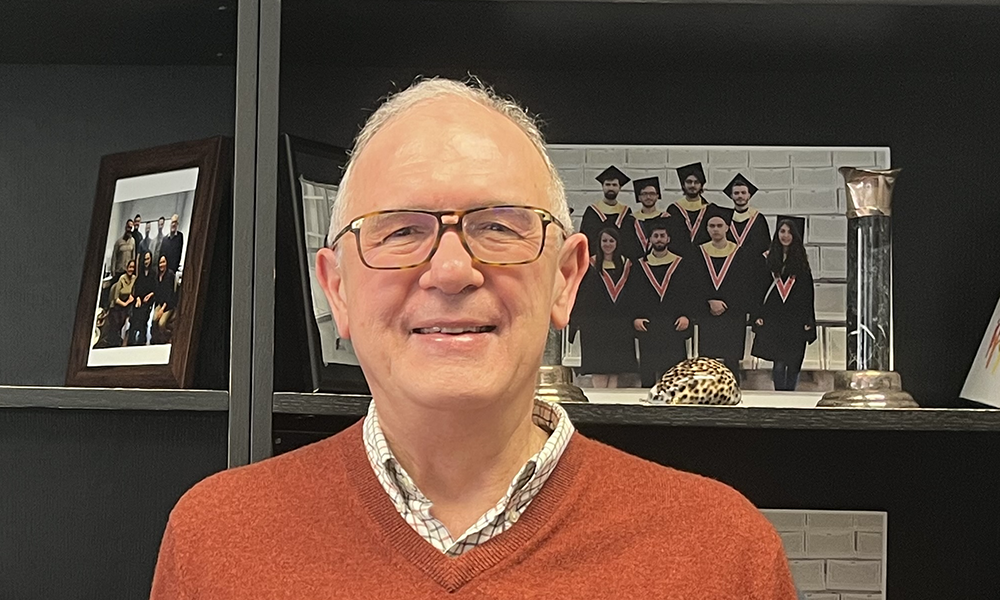
Prof. Tayfun Özçelik , chair of the Department of Molecular Biology and Genetics has been elected a member of Academia Europaea (The Academy of Europe). His election followed the Academy’s multi-stage membership process, including recommendation by the relevant section and approval at the class-committee level.
Founded in 1988, Academia Europaea is an independent, non-profit academy bringing together eminent scholars across the sciences, medicine, engineering, social sciences, humanities and related disciplines. The Academy organizes scientific meetings and workshops, publishes the international journal European Review, and contributes to European science advice through SAPEA (Science Advice for Policy by European Academies).
Prof. Özçelik’s election recognizes sustained contributions to human genetics and genomic medicine.
As a newly elected member in 2026, Prof. Özçelik has been invited to participate in the Academia Europaea Annual Conference to be held in Budapest on October 12–16, 2026, including sessions in which newly elected members present their research.
Prof. Özçelik’s research focuses on human genetics and genomic medicine, with particular emphasis on inherited predisposition to disease and on developing systematic approaches for the interpretation of genomic variation at scale. Several of his disease-gene discoveries have entered standard medical and genetics textbooks used in clinical and academic training, reflecting their lasting place in the field.
Among the distinctions associated with Prof. Özçelik’s scientific contributions are the TÜBİTAK Science Award (2012) and the American Society of Human Genetics (ASHG) International Thought Leader designation (2023). He is also a full member of the Turkish Academy of Sciences (TÜBA), to which he was elected in 2009.
With this election, Prof. Özçelik joins Bilkent University’s members of Academia Europaea, who include Ergin Atalar (magnetic resonance imaging), Salim Çıracı (physics and engineering sciences), Ekmel Özbay (nanophotonics and semiconductor physics), Bilal Tanatar (condensed-matter physics) and Turgay Dalkara (neuroscience).