

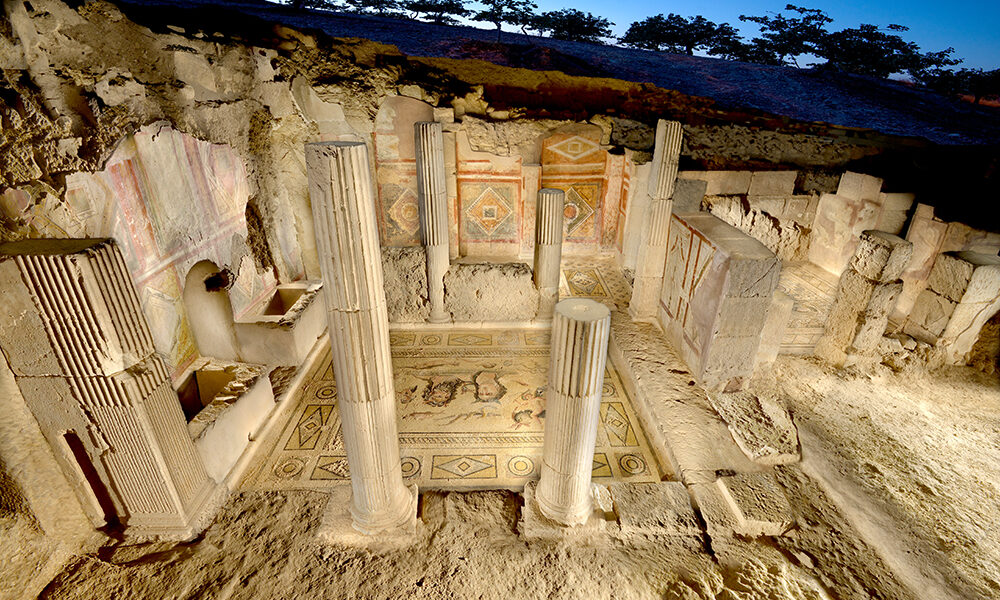
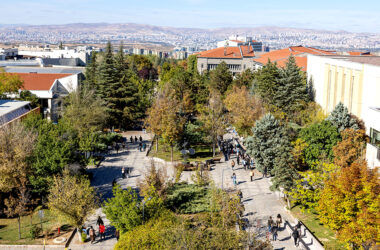
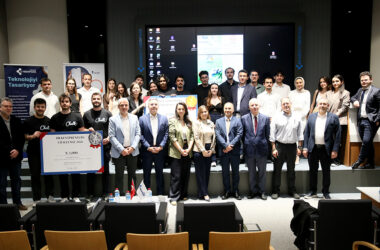

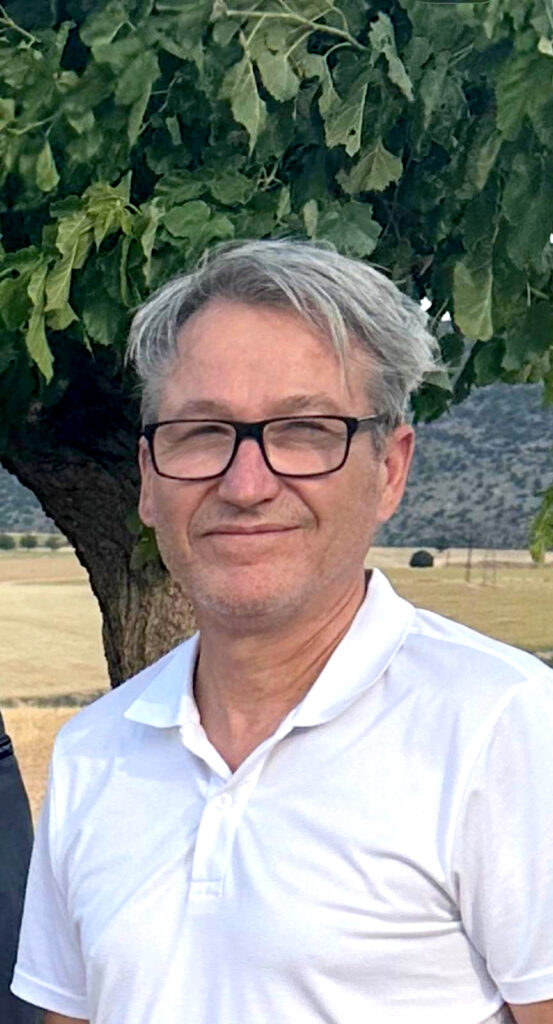
Bilkent University will welcome Prof. Kutalmış Görkay to the Department of Archeology to assume a pivotal role in the archaeological exploration and long-term preservation of the ancient city of Zeugma, one of the most significant urban centers on the eastern frontier of the Roman Empire. It is renowned today for its exceptionally preserved mosaics, frescoes and urban architecture.
(HART)
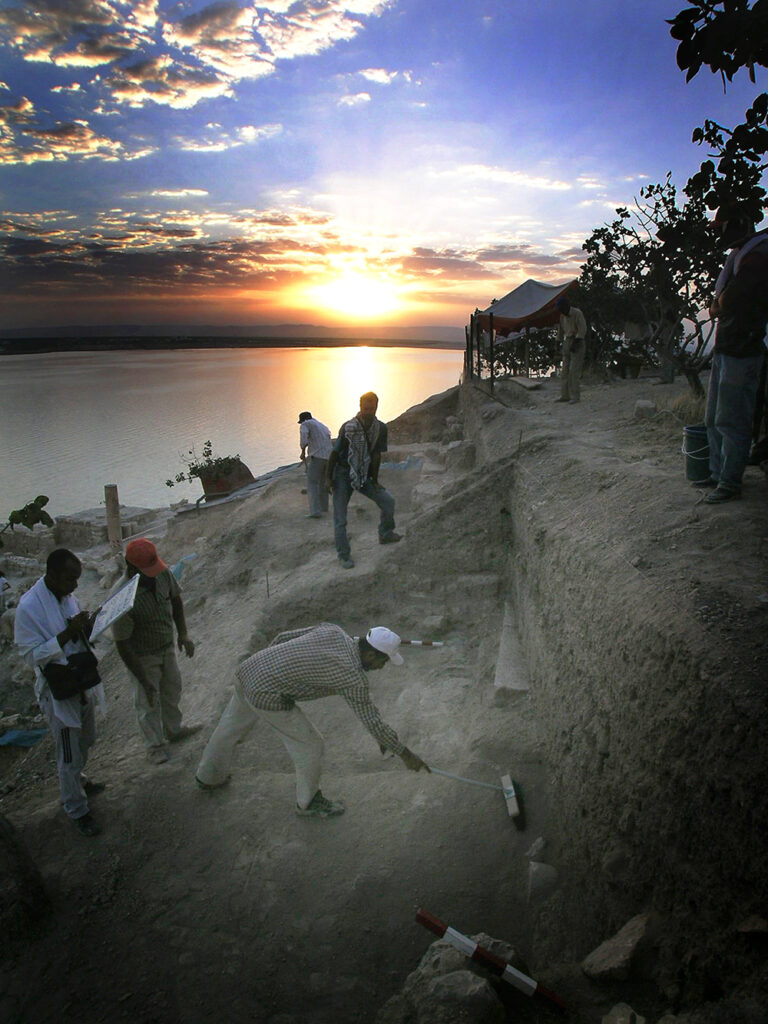
Known internationally as the “Pompeii of the East,” Zeugma gained worldwide attention during the rescue excavations carried out in connection with the construction of the Birecik Dam in 2000. Archaeological investigations at the site began in 1992 under the direction of the Gaziantep Museum and continued intensively until 2004 with the participation of researchers from Ankara University, İstanbul University, the University of Western Australia, Nantes University and the University of Oxford. Supported extensively by the Packard Humanities Institute, these excavations revealed some of the finest Roman mosaics and wall paintings to be discovered in the eastern Mediterranean, many of which are now displayed in the Zeugma Mosaic Museum and the Gaziantep Archaeology Museum.
Since 2005, Prof. Kutalmış Görkay has led the excavations on behalf of the Ministry of Culture and Tourism, fostering collaboration among scholars and students from prestigious institutions including Ankara University, Başkent University, Ankara Hacı Bayram Veli University, Akdeniz University, Koç University, the University of Oxford, and the Free University of Berlin.
Through its growing involvement in the project, Bilkent University is bringing new academic, scientific and technological dimensions to the study of Zeugma and the wider Roman frontier landscape of southeastern Türkiye.
The Zeugma Archaeological Research Project integrates archaeological excavation, cultural heritage management, conservation and digital documentation. Research focuses on the city’s domestic architecture, public buildings, military infrastructure and urban development, while conservation teams continue the preservation and restoration of mosaics, frescoes and architectural remains that are highly vulnerable to environmental change. Since 2012, Zeugma has been included on the UNESCO World Heritage Tentative List, reflecting its outstanding cultural and historical significance. In the same year, together with the Zeugma Mosaic Museum, the site was awarded the Presidential High Culture and Arts Award of the Republic of Türkiye.
Building on its strengths in archaeology, materials science, engineering and digital technologies, Bilkent University will contribute innovative interdisciplinary approaches to the project. Faculty members, researchers and students will participate in archaeological fieldwork, landscape studies and the documentation of material culture, while also advancing the use of digital archaeology through high-resolution imaging, GIS-based spatial analysis, 3D modelling and virtual reconstruction technologies. These methods will enhance academic research and public accessibility to the site.
An important component of Bilkent’s contribution will be the involvement of the National Nanotechnology Research Center (UNAM), whose advanced analytical facilities will support the scientific examination of archaeological materials. Through techniques such as X-ray diffraction, spectroscopy and electron microscopy, researchers will investigate the composition, production technologies and conservation needs of mosaics, pigments, ceramics and other artifacts uncovered at Zeugma. These studies will deepen the understanding of local craftsmanship, trade networks and cultural interaction along Rome’s eastern frontier.
In parallel, the Bilkent Computer Centre will support the management and preservation of large-scale archaeological datasets (Database Archemis©—Zeugma Archaeological Project) including excavation records, GIS maps, conservation archives and digital artefact inventories. By integrating advanced data management systems and digital infrastructure, the project aims to establish a sustainable and accessible research environment for future generations of scholars.
The collaboration will also provide extensive opportunities for student training, interdisciplinary research and international cooperation. Through field schools, workshops, conferences and digital outreach initiatives, the project seeks to strengthen public engagement with cultural heritage while fostering new generations of archaeologists and heritage professionals. Interactive technologies, including virtual exhibitions and immersive reconstructions, will further expand the global visibility of Zeugma and its exceptional archaeological heritage.
By combining ongoing archaeological research with Bilkent University’s academic expertise and technological infrastructure, the Zeugma initiative aims to advance the study, conservation and international appreciation of one of the Roman Empire’s most remarkable frontier cities and one of Türkiye’s most important archaeological landscapes.